


What Naomi Osaka Knew About BodyArmor Before Anyone Else Did
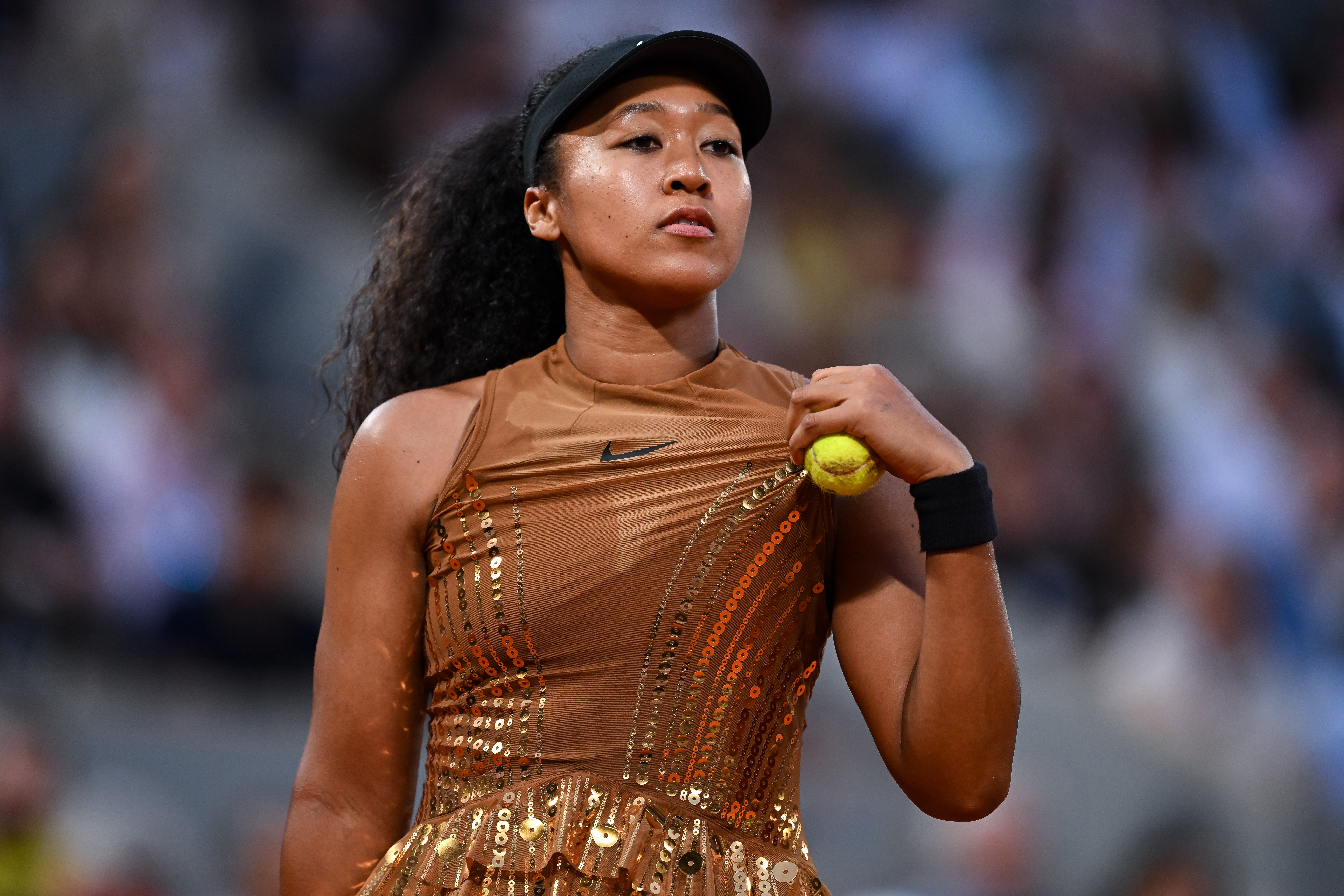
Before the Tokyo Olympics, Naomi Osaka sat across from two offers. One was from Coca-Cola — a guaranteed, substantial contract from one of the most recognizable brands on the planet. The other was from BodyArmor, a sports drink company that was growing but hadn’t yet reached the kind of scale that makes a decision feel obvious.
She chose BodyArmor. And she did it for reasons that had nothing to do with the numbers on the page.
Her longtime agent Stuart Duguid laid out the thinking in a recent interview with First&Red. Osaka’s position was straightforward: she didn’t drink Coca-Cola, and she wasn’t going to endorse something she didn’t personally use. That was the first reason. The second was a calculation she made about upside. If BodyArmor kept growing, the equity she could earn from a stake in the company would outpace anything Coca-Cola was offering upfront.
Both of those things turned out to be true.
The Equity Play
What Osaka secured in the BodyArmor deal wasn’t a flat endorsement fee. It was a percentage of the company — a stake that meant when BodyArmor’s value moved, so did hers. That structure is the whole difference.
The brand kept growing. And then Coca-Cola — the same company that had made Osaka an offer she turned down — bought BodyArmor in a transaction valued at over a billion dollars. Because Osaka had equity, she participated in that outcome. Duguid put it plainly: “When there was a transaction, it was sold for over a billion dollars, and she had a percentage of that company, so she made much more from that deal than anything else.”
The irony is clean. She said no to Coca-Cola. Coca-Cola eventually bought the company she said yes to. And the return on that decision was larger than anything the original Coca-Cola offer would have delivered.
Kobe Bryant was the first athlete associated with BodyArmor. Osaka came shortly after. Both understood what they were getting into — not a sponsorship, but an ownership position in something they believed in.
How She Thinks About Business
The BodyArmor story is useful not because of the outcome but because of the framework behind it. Osaka didn’t take equity because someone told her equity was smart. She turned down more guaranteed money because she had two clear principles — authenticity first, upside second — and she applied them in sequence.
That’s a harder thing to do than it sounds. Guaranteed money is easier to say yes to. The larger number on the page is easier to choose. What Osaka did was take a longer view at a moment when the shorter one was readily available, and she did it because the reasoning was solid, not because the outcome was certain.
That clarity is what makes her business approach worth paying attention to. Forbes estimates her net worth at over $60 million — built not just on prize money and traditional endorsements, but on a series of decisions made from the same place as the BodyArmor one.
The Rest of the Portfolio
Osaka’s off-court business footprint is broader than most people realize. Kinlò is her skincare line, built specifically for melanin-rich skin — a product developed because she identified a gap the market wasn’t addressing, not because a brand came looking for her face. She holds an ownership stake in the North Carolina Courage, making her one of the few athletes with equity in a professional women’s sports franchise. Hana Kuma, her production company, is focused on bringing underrepresented stories to screen.
Seven career Grand Slam titles. Four major championships. A business portfolio that operates independently of the tennis calendar. And a public honesty about the mental health challenges she has navigated through her career that has made her brand more resonant, not less — because it’s real.
The BodyArmor deal is the chapter that gets told most often, and for good reason. It’s a clean illustration of how she operates. But it’s one data point in a consistent pattern. Osaka has been building the same way since before the outcome of any individual decision was clear. That’s the part worth understanding.
The Bigger Picture
The conversation about athletes choosing equity over endorsements has gotten louder in the last few years. The CHAMP Fund launched this spring on exactly that premise. Luka built 77X to own his audience directly. LeBron’s SpringHill is valued at $725 million. Steph’s Thirty Ink turned every division profitable.
Osaka was doing this before the framework existed to talk about it. She turned down Coca-Cola before “athlete equity” was a recurring theme in sports business coverage. She made the decision the same way she makes most decisions — by knowing what she stood for and running the math from there.
The result is a blueprint. Not for how to get rich off a sports drink deal, but for how to think about what your name is actually worth and act accordingly before the market catches up.


Salute Naomi 🎾