



The New York Knicks Are NBA Champions. Here’s What That Actually Means
Sports championships are celebrated as cultural moments. They deserve to be. But they are also economic events, and the Knicks’ win in 2026 is one of the largest in New York City’s recent history.
The numbers make that clear.
The Economic Picture
The Knicks’ 2026 postseason run generated an estimated $202 million in economic activity from home games alone before the Finals even began. Mayor Zohran Mamdani and the New York City Economic Development Corporation released that figure as the team entered the championship series, projecting the total could reach $465 million if all possible home games were played.
Each home playoff game generated an estimated $90 million in economic activity for the city. That money moved through tickets, concessions, merchandise, transportation, and hotel stays across all five boroughs. It was not concentrated in Midtown. It spread.
Bars from the Bronx to Brooklyn reported the kind of foot traffic usually reserved for New Year’s Eve. Restaurants near the Garden were booked weeks in advance. The city’s hospitality industry, still rebuilding its identity after years of post-pandemic restructuring, had one of its best months in recent memory. Outdoor watch parties filled plazas that normally empty out by dark.
The ticker-tape parade down the Canyon of Heroes on Sunday drew hundreds of thousands of people. New York has hosted parades for championship teams before. This one felt different because the wait was longer than most people’s entire lives.
What It Means Beyond the Money
The economic numbers are significant. But they are not the most important thing a championship does for a city.
New York has always been a city that defines itself partly through its sports identity. The Yankees, the Giants, the Mets, the Rangers — winning and losing in this city carries weight that it simply does not carry the same way anywhere else. The pressure is real. The scrutiny is real. The history is real.
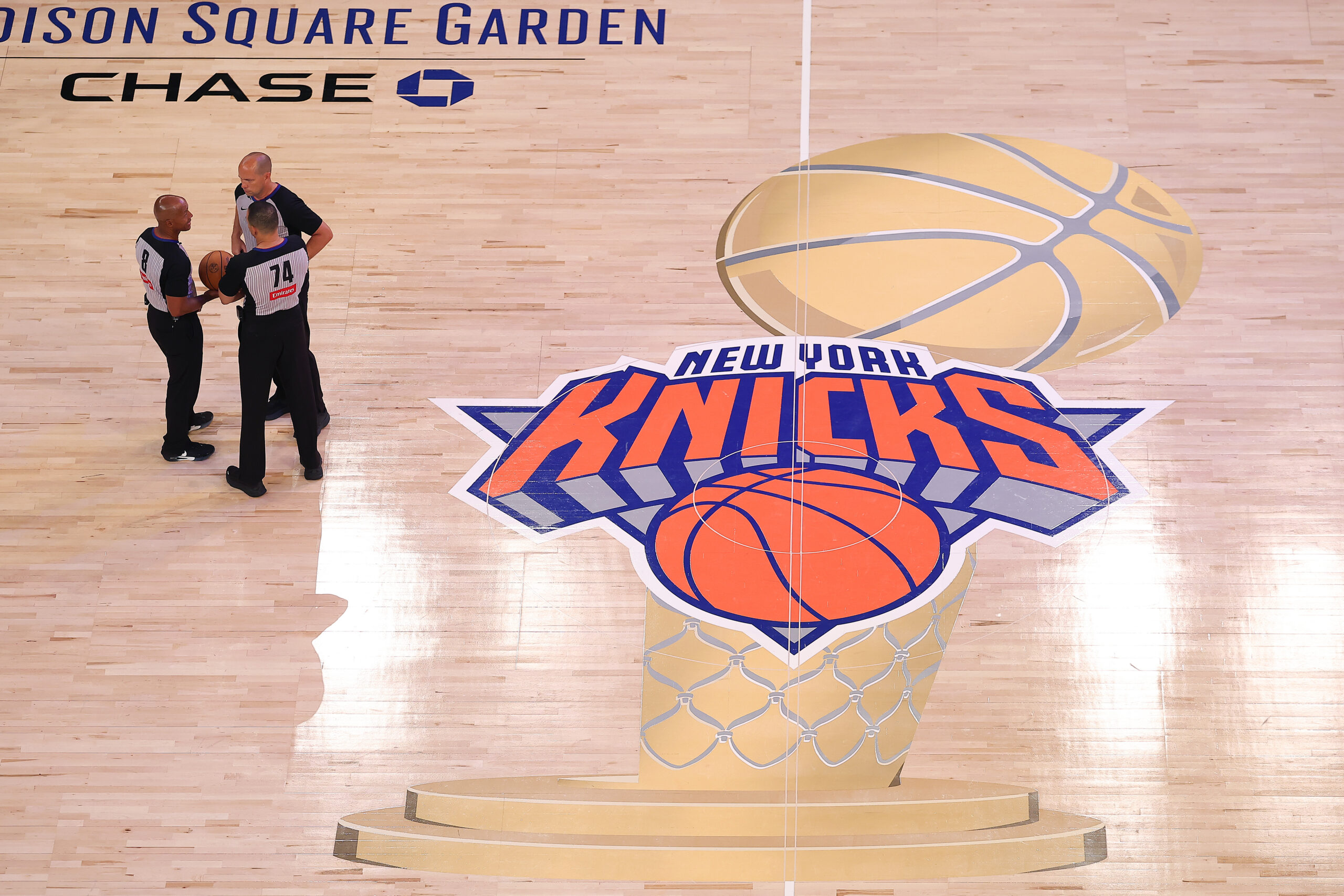
The Knicks specifically carry a particular burden. Madison Square Garden sits at the center of the city geographically, culturally, and emotionally. It is the most famous arena in the world. For 53 years it housed a team that never delivered. That tension was part of New York’s sports identity for half a century.
What changes now is the narrative. The Garden is no longer just a legendary building with a legendary losing streak attached to it. It is the home of NBA champions. That shift is not trivial. It affects how the franchise markets itself, how players think about New York as a destination, how the city’s youth sports culture develops, and how the team’s ownership group positions the franchise for the next generation of investment.
What It Means for the Franchise
The Knicks were already one of the most valuable franchises in professional sports before this run. A championship changes the trajectory of that valuation. Title-winning franchises in major markets command premium prices when ownership stakes change hands. The combination of market size, arena prestige, media rights, and championship pedigree puts the Knicks in a category occupied by very few sports properties in the world.
For the players who won it, the cultural capital is equally significant. Jalen Brunson is now a New York legend in the same sentence as Willis Reed and Walt Frazier. That is not a small thing in a city that produces culture for the rest of the world to consume. His name will be on merchandise, murals, and conversations in this city for decades. The business opportunities that flow from that kind of cultural status are real and long-lasting.
The Bigger Picture
New York is also co-hosting the World Cup this summer. The city is simultaneously celebrating an NBA championship and preparing to welcome five billion viewers to its streets and stadiums over the next five weeks. The concentration of global attention on New York right now is extraordinary.
For a platform like PlayersTV, whose athlete-owners include some of the biggest names in professional sports, a moment like this is exactly what the content strategy was built for. The intersection of championship sports, athlete business moves, and the cultural and economic weight of what winning means for a city like New York — that is the story PlayersTV exists to tell.
The Knicks didn’t just win a basketball game. They handed the most famous sports city in the world its identity back. And the business of sports will feel that for years.




Leave a comment