




The World Cup Has Arrived & Here’s Whats At Stake
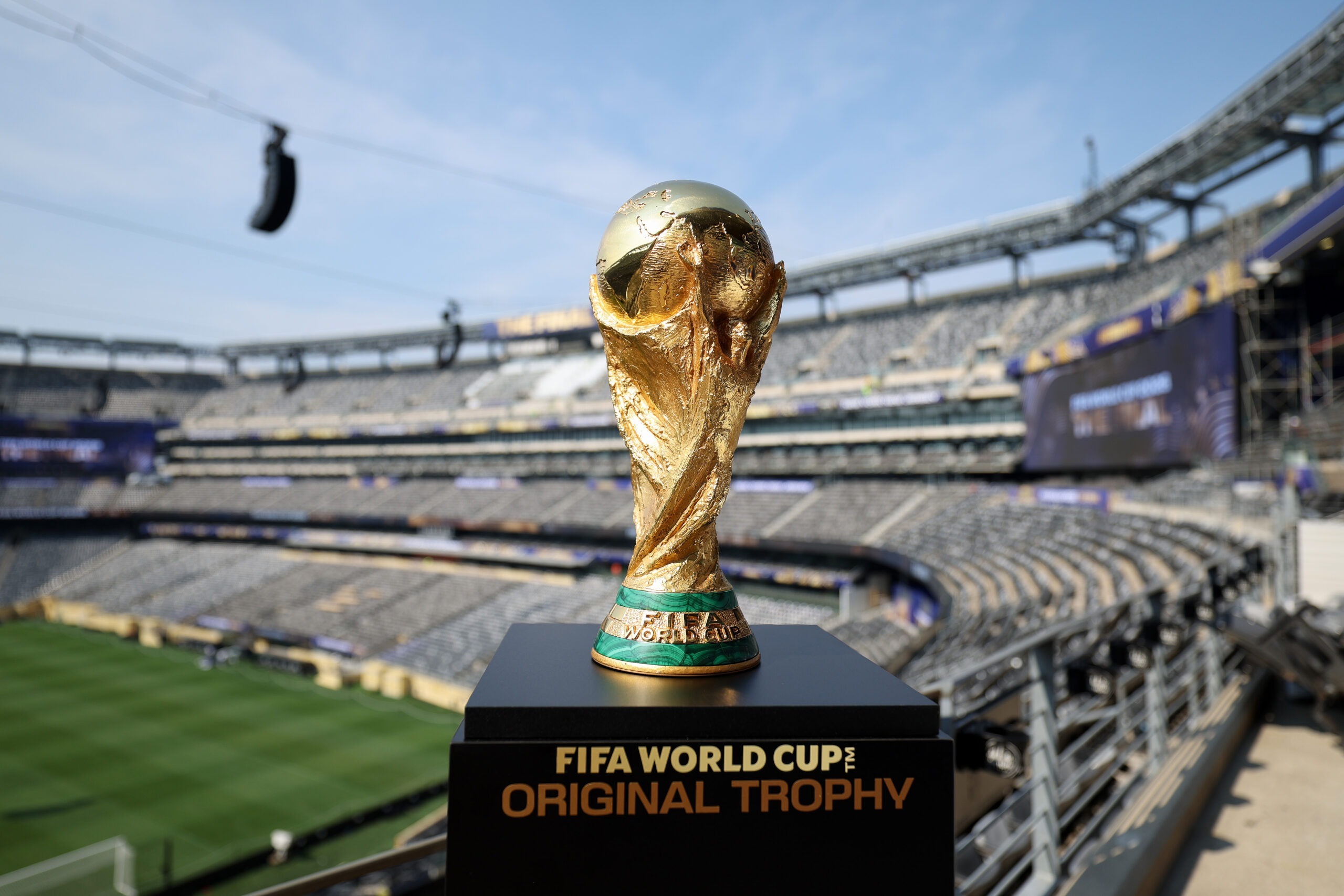
The Biggest Game in the World Just Came to America. Here’s What’s Really at Stake.
The 2026 FIFA World Cup kicks off Thursday. Forty-eight teams. One hundred and four matches. Sixteen cities across the United States, Mexico, and Canada. A global audience of five billion people is tuning in over the next five weeks.
By every measure, this is the largest sporting event in the history of the world. And for the first time in a generation, it is happening on American soil.
The story that matters most, though, isn’t on the pitch. It’s in the boardroom. In the brand deals. In the question of who actually gets paid when the biggest stage in sports comes to town, and who gets left holding the bill.
FIFA Gets the Money. Cities Get the Tab.
FIFA projects the 2026 tournament will generate $40.9 billion in GDP across North America. Individual US host cities are expected to see between $160 and $620 million in incremental economic activity each. Those numbers appear in every press release and civic boosterism campaign tied to the tournament. Economists, however, are skeptical.
FIFA will pocket approximately $7 billion from ticket sales alone. Top-tier tickets for semifinal and final matches are fetching more than $10,000 each. Total tournament revenue for FIFA is projected to exceed $10 billion.
Host cities bear the costs and almost none of the revenue. FIFA keeps broadcast rights, ticket income, sponsorship deals, and advertising. Cities are left to rely primarily on hotel and restaurant spending to justify nine-figure investments in security, infrastructure, and logistics. One economist put it plainly: the net effect for host cities could just as easily be neutral or negative as positive.
Nearly 80% of hotels surveyed across the 11 US host cities reported bookings tracking below initial forecasts. Overseas visitors cited visa difficulties, elevated geopolitical tensions, and steep ticket and travel prices as reasons for staying home.
The tournament is arriving. The promised windfall may not follow.
The Brands That Actually Win
While host cities wrestle with the math, the corporate machinery around the World Cup is running exactly as designed.
FIFA confirmed that every global partnership tier for the 2026 tournament has been sold out — making it the most commercially successful World Cup in the federation’s history. The brands inside that ecosystem secured their positions years ago. Adidas, Coca-Cola, Visa, Aramco, and Hyundai sit at the top tier. Below them, Budweiser, McDonald’s, Bank of America, Frito-Lay, Mengniu Dairy, Unilever, and Verizon fill out the second tier. Bank of America’s deal is reported to be the largest sports marketing investment in the company’s history.
The pitch is straightforward. Soccer is the fastest-growing sport in America. The 2026 World Cup is the inflection point where that growth gets monetized at scale. The brands that got in early are already positioned. Everyone else is watching from the outside.
The Athletes Who Built Empires Around the Game
Then there are the players themselves.
Cristiano Ronaldo is not just the richest footballer in the world. He is the richest active athlete on the planet. His contract with Al-Nassr, a massive YouTube channel, the CR7 brand, and a lifetime Nike deal have pushed his net worth past $1.2 billion. He earns over $200 million per year.
Lionel Messi has built a comparable empire through a different blueprint. His move to Inter Miami came with an ownership stake in the club itself. A lifetime Adidas deal permanently ties his brand to the sport. His net worth sits close to $1 billion.
Messi isn’t just the greatest player in the history of the sport. He is a shareholder in the franchise he plays for. That model — athlete as owner, not just talent — is exactly what the ownership movement in American sports has been pointing toward for years. The players arriving in the US this week are the most commercially sophisticated generation of footballers in history. They understand that the World Cup is not just a competition. It is a four-week global platform with a five-billion-person audience.
The athletes who understand how to use that platform will continue to generate returns from it long after the final whistle.
What This Moment Means for Soccer in America
Something larger than a tournament is happening this summer.
Soccer in America has been building for over a decade — in youth participation, in MLS attendance, in media rights valuations, in the number of people who grew up playing the game and now have the income to spend on it as adults. Branded social engagement around soccer in US host cities has grown 331% over the past three years alone.
The 2026 World Cup puts all of that growth on a global stage. Cities like Los Angeles, New York, Miami, Atlanta, and Kansas City will host the world’s game in front of a five-billion-person audience. That visibility does not disappear when the tournament ends. It becomes the foundation for the next decade of investment — in MLS franchises, in youth academies, in media rights, in the infrastructure that turns a sport people watch into one that shapes a city’s identity and economy.
The athletes on the pitch understand what this moment is worth. The brands writing the checks understand it too. The question is whether American cities will look back on 2026 as the moment they hosted the tournament and missed the transformation — or the moment they changed the trajectory of soccer in this country for good.
The ball drops today. What comes next is up to everyone who decided to show up.


Leave a comment