



Luka Dončić Isn’t Just Playing Basketball Anymore. He’s Building the Future of It.
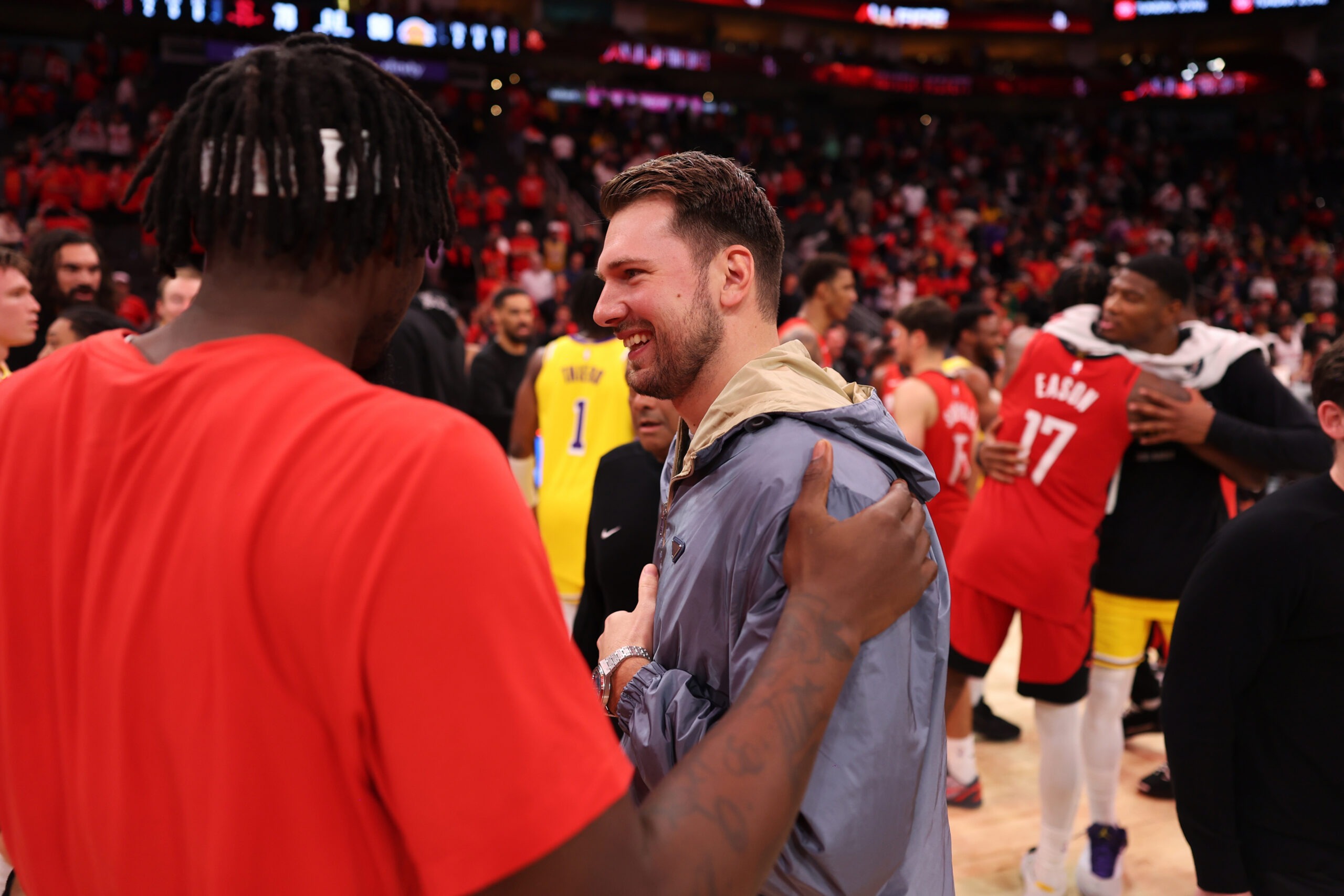
There’s a version of this story that sounds simple. NBA star buys European basketball team. Nostalgic investment. A connection to his roots.
That version misses what’s actually happening.
When Luka Dončić announced his stake in Vanoli Cremona this week, with plans to relocate the Italian club to Rome and position it as a bid for the proposed NBA Europe league, he wasn’t making a sentimental business move. He was making a calculated bet on where the entire sport is heading — and he’s doing it from the inside, with the kind of knowledge that no outside investor can buy.
Because Luka Dončić didn’t just watch European basketball from across the Atlantic. He became a professional in it. And now he wants to own a piece of what it becomes.
The Move That Makes Sense Only If You Understand the Map
NBA commissioner Adam Silver announced earlier this year that the NBA, working with FIBA, is developing a European league that could launch as early as fall 2027. The proposed competition would have up to 16 teams — 12 permanent locations and four qualifying clubs that could change season to season. Target cities include London and Manchester, Paris and Lyon, Munich and Berlin, Madrid and Barcelona, Milan, Athens, Istanbul — and Rome.
Rome has been without top-tier professional basketball for years. It’s the kind of sleeping giant in a sports economy that understands spectacle and legacy better than most capitals on Earth. The city has history. It has infrastructure. It has an appetite for competition. What it hasn’t had is a team worth showing up for.
Dončić’s group, led by former Dallas Mavericks executive Donnie Nelson, purchased Vanoli Cremona, a northern Italian club that holds a coveted Serie A license. That license is the golden key. Any team in the new NBA Europe League must also compete domestically, and Cremona’s spot in Italy’s top league provides the legal and structural foothold for everything that comes next.
That detail matters. This isn’t just a franchise purchase. It’s an infrastructure acquisition. The Serie A license is what gets them in the room for the NBA Europe bid. Without it, there’s no path to Rome. Dončić and Nelson understood that before anyone else moved.
Why This Investor Specifically
Most athlete investments in sports franchises follow a predictable pattern. The athlete writes a check, their name goes on the press release, and a professional ownership group handles everything else.
Dončić isn’t treating this as a side investment, because he lived the path between European and American basketball before most NBA players even knew it existed.
He played for Real Madrid as a teenager. He won EuroLeague titles before he was old enough to drink in the United States. He understands what European basketball infrastructure looks like from the inside — the academies, the competitive structure, the culture around the game in cities like Madrid, Vilnius, and now Rome.
“It would be best if they could find a common language and a way to cooperate,” Dončić said of the NBA and EuroLeague. “I spent great years in the Euroleague before going to America and that competition shaped my game in every sense. So I hope that this cooperation will bring good to both of us.”
That perspective is the asset. Not just the capital. Not just the name recognition. The actual lived knowledge of what it takes to build a basketball culture in Europe, from the ground up, in cities where the sport has to compete for attention with football, cycling, and centuries of other sporting tradition.
The Relationship That Made This Possible
The partnership with Donnie Nelson is worth understanding on its own terms.
Nelson was the president of basketball operations for Dallas when the Mavericks made the draft-night trade to acquire Dončić in 2018. He is the lead investor and managing partner of the group. He’s also the son of legendary NBA coach Don Nelson, someone who spent decades thinking about how the game could grow globally.
This isn’t a new relationship born from opportunity. It’s a long-standing trust between two people who have already built something together, translated into a new arena. That dynamic matters in business the same way it matters on a basketball court. You move differently with people you already know how to read.
The ownership group also includes longtime Italian coach Valerio Bianchini and former player Rimantas Kaukėnas, bringing deep local expertise and cultural understanding to a group that could otherwise be seen as outside capital arriving to reshape someone else’s sport. That’s intentional. The roster of the ownership group tells you something about how seriously they’re taking Rome — not just the NBA Europe bid, but the actual responsibility of bringing professional basketball to a city with real history and real expectations.
What NBA Europe Actually Means
The NBA Europe story has been building quietly for years. Silver has been telegraphing the league’s global ambitions for over a decade. The question was never whether it would happen. It was when, and who would be positioned when the doors opened.
Reports surfaced in April that the NBA was receiving bids of up to $1 billion to buy into the upstart league. That number tells you everything about the scale of what’s being built and why the window to get in early is narrow.
Right now, Vanoli Cremona competes in Serie A. For the 2026-27 season, the club will begin play in Rome. The NBA Europe bid is in motion. If the league launches in 2027 as projected, Dončić’s group would be among the first ownership groups inside a structure that could reshape global basketball for the next generation.
That’s not hyperbole. The NFL took decades to build a genuine international footprint. The NBA is trying to do it faster and smarter — by creating a league infrastructure in Europe rather than just playing exhibition games in foreign arenas. The franchises that get in at the beginning of that structure will hold the same position that early NBA franchise owners held in the 1950s. Early access to something that becomes enormously valuable as the sport grows.
Dončić knows all of this. He didn’t need to be explained the value of European basketball. He built his career in it.
The Broader Pattern
This week Luka Dončić bought into a European basketball club. Earlier this week Travis Kelce became a minority owner of the Cleveland Guardians. Patrick Mahomes owns a piece of the Kansas City Royals. The trend line is impossible to miss.
The athletes who are shaping what comes after their playing careers aren’t waiting until their careers are over. They’re building in parallel — using the platform, the relationships, and the knowledge they’ve accumulated as players to move into ownership while they still have maximum leverage.
Dončić at 27 is doing what the smartest athletes of his generation are all starting to understand. Your name, your credibility, and your network are worth the most right now, not after retirement. The window to convert those things into real ownership stakes in the industries that made you famous is open, but it doesn’t stay open forever.
He’s not buying a basketball team because he loves Italy, though he might. He’s buying a basketball team because he understands where the sport is going, has the relationships to position himself inside that future, and has the specific expertise that makes him more than a celebrity investor in this particular deal.
“I have dreamed about owning a team in Europe for a long time,” Dončić said. “To finally have this happen is amazing. Vanoli has a great history, and we are ready to take it to the next level in Rome.”
The dream is real. So is the strategy behind it.
Rome is about to get world-class basketball. And the person who helped make that happen will still be playing in the NBA when the first tip-off happens.
That’s what building in parallel looks like.




Leave a comment