



A Piece of Cardboard Just Sold for $10 Million. Here’s What That Says About Shohei Ohtani
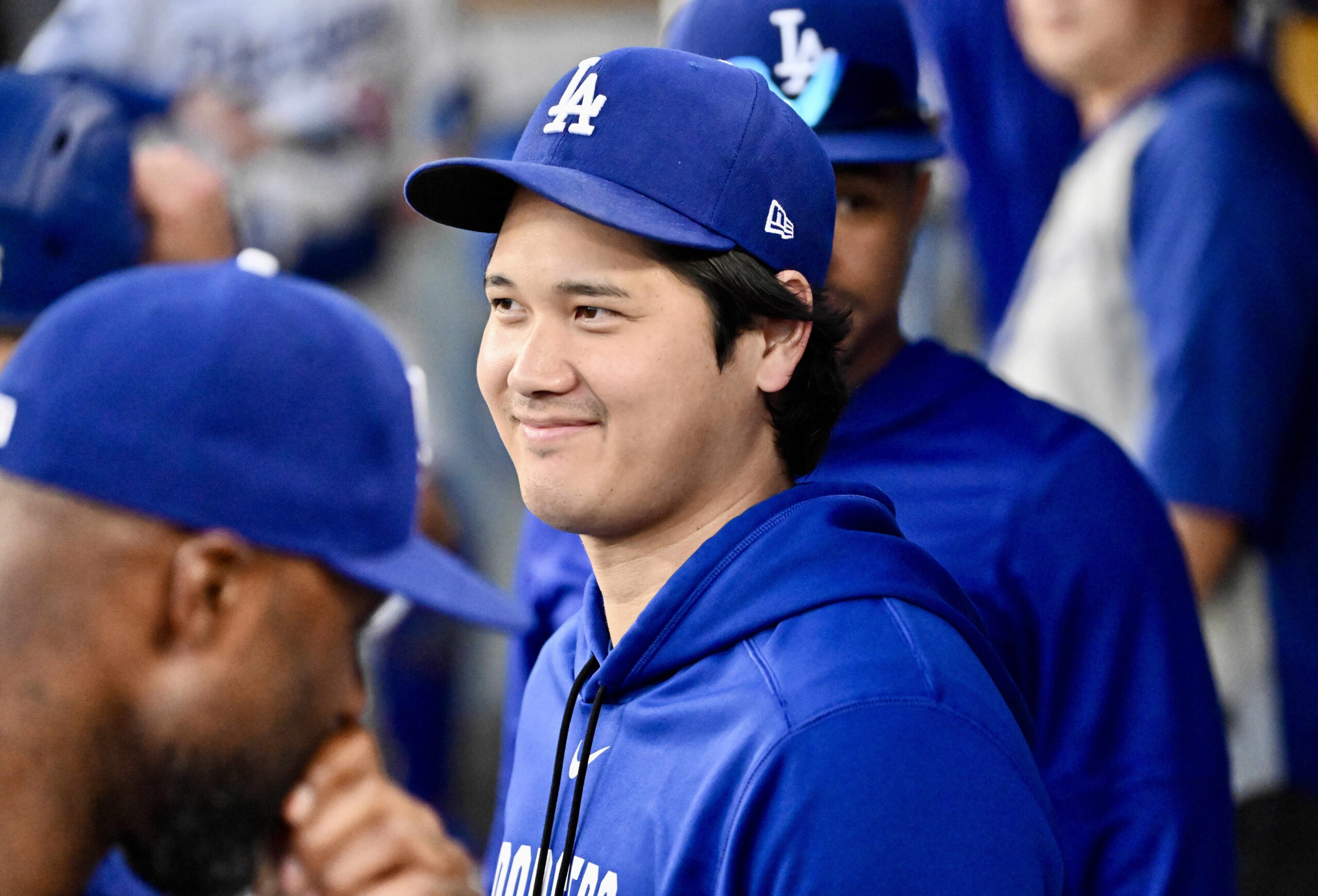
On Thursday afternoon, a collector walked into Boca Sports Cards in Boca Raton, Florida, bought a hobby box of 2026 Topps Chrome Baseball, and pulled a redemption slip. Not a card — a slip. A piece of paper that tells you Topps will produce and deliver the finished piece once the request is submitted.
That slip was for the one-of-one Shohei Ohtani Dual Gold Logoman Autograph Relic. By the end of the day, it had sold for over $10 million.
The collector who found it didn’t hold it. Premium collector Matthew Allen — known as “Shyne150” across the hobby community — posted on Instagram: “To make it very clear, I paid over 10 million for the card.” Hong Kong-based collectibles firm Grade10 had already placed a $10 million bounty on the card the moment the set released. When it was pulled, the market moved immediately.
This is not a fluke. This is the Ohtani economy doing exactly what it has been building toward for two years.
What the Card Actually Is
The card carries two Gold Logoman patches — the special gold MLB logo patches that award winners wear on their uniforms the following season to commemorate their achievement. Ohtani’s patches came from two specific games: a road game on September 7, 2025, when he hit two home runs honoring his 2024 MVP season, and a home game on April 12, 2026, honoring his 2025 MVP season.
Two patches. Two autographs — one in English, one in Japanese kanji. One card in existence.
That combination — back-to-back MVP documentation on a single piece, with dual signatures — is what makes this card unlike anything else in the modern hobby. It is not just a collectible. It is a physical record of one of the most dominant two-year stretches any player has put together in baseball history.
The Market Behind the Moment
This sale did not happen in isolation. It is the fifth million-dollar transaction involving an Ohtani card since last December alone.
His previous public auction record sat at $3.365 million, set on July 14 for his 2018 Bowman Chrome Superfractor. Before that, a 2018 Topps Chrome Sapphire Superfractor autograph generated $2.5 million at public auction on June 28. An Ohtani and Aaron Judge dual autograph card sold through Fanatics Collect for $2.16 million in March. A 2018 Topps Chrome rookie autograph numbered to 50 just cleared $136,640 — up from $40,870 in September 2025.
The entire market tier is moving. Not just the one-of-ones. The mass market Ohtani cards are appreciating alongside the ultra-rare ones, which is the tell of an athlete whose cultural value is genuinely expanding rather than simply peaking.
The $10 million sale now ranks as the third-highest price ever paid for a sports trading card, sitting behind only the $12.9 million Upper Deck dual autograph card featuring Michael Jordan and Kobe Bryant — sold by Secure Collectibles last year — and the $12.6 million 1952 Topps Mickey Mantle that sold in 2022.
Ohtani’s card is in that company. He has been playing in the major leagues since 2018.
What Collectibles Actually Tell Us
The trading card market is often dismissed as speculation — a financial instrument dressed up in nostalgia. There is some truth to that. But at the highest levels, the prices being paid for specific cards track something real: the cultural footprint of an athlete at a given moment in time.
Jordan’s dual autograph card with Kobe is worth $12.9 million because those two names together represent the two most globally iconic players in basketball history — one retired, one gone — and that combination will never exist on a new piece of cardboard again. The Mantle card is worth $12.6 million because 1952 Topps is where the American sports card tradition essentially began, and Mantle is the face on the front.
Ohtani’s card is worth $10 million because he is doing something no one in baseball has done before, in real time, and the hobby is pricing that accordingly. Back-to-back MVPs as a pitcher and a hitter. A global following that extends well beyond any sport’s traditional fanbase. A market that treats his cards not as modern memorabilia but as foundational documents of something historic.
The unsigned cardboard version of his 2018 Bowman Chrome Superfractor — not autographed, just graded — sold for $3.365 million. An unsigned piece of cardboard with his face on it commands the price of a luxury home. That is not speculation. That is the market telling you exactly how it values Shohei Ohtani’s place in the sport.
The Timing
The card was found and sold the same week as the National Sports Collectors Convention in Rosemont, Illinois — the hobby’s biggest annual gathering. The convergence of the two events amplified everything. Collectors, dealers, and media were already in one place talking about the industry when the Ohtani pull happened. The story moved faster and louder than it might have otherwise.
It also landed one week after PlayersTV covered the Jordan Upper Deck Legacy Partner deal — a reminder that the collectibles economy and the athlete brand economy are not separate conversations. They are the same conversation. The most valuable cards in the world belong to athletes whose names carry cultural weight that outlasts any single season. Jordan built that over decades. Ohtani is building it right now.
The card is still a redemption. The finished piece hasn’t even been produced yet. By the time it is, the number on the front — $10 million — will have already changed the conversation around every Ohtani card that exists.




This man is a superstar.