



Steph Curry Just Bet on Himself — and He Bet on China
Thirteen years is a long time to build something with someone.
That’s how long Stephen Curry and Under Armour were together. Long enough to turn Curry Brand from a footnote in a Baltimore sportswear catalog into one of the most recognizable athlete brands in basketball. Long enough to help make Under Armour a legitimate Nike competitor. Long enough that when the partnership ended in November, it felt like more than just a contract expiring.
It was the end of an era. And what Curry did next says everything about where athlete branding is headed.
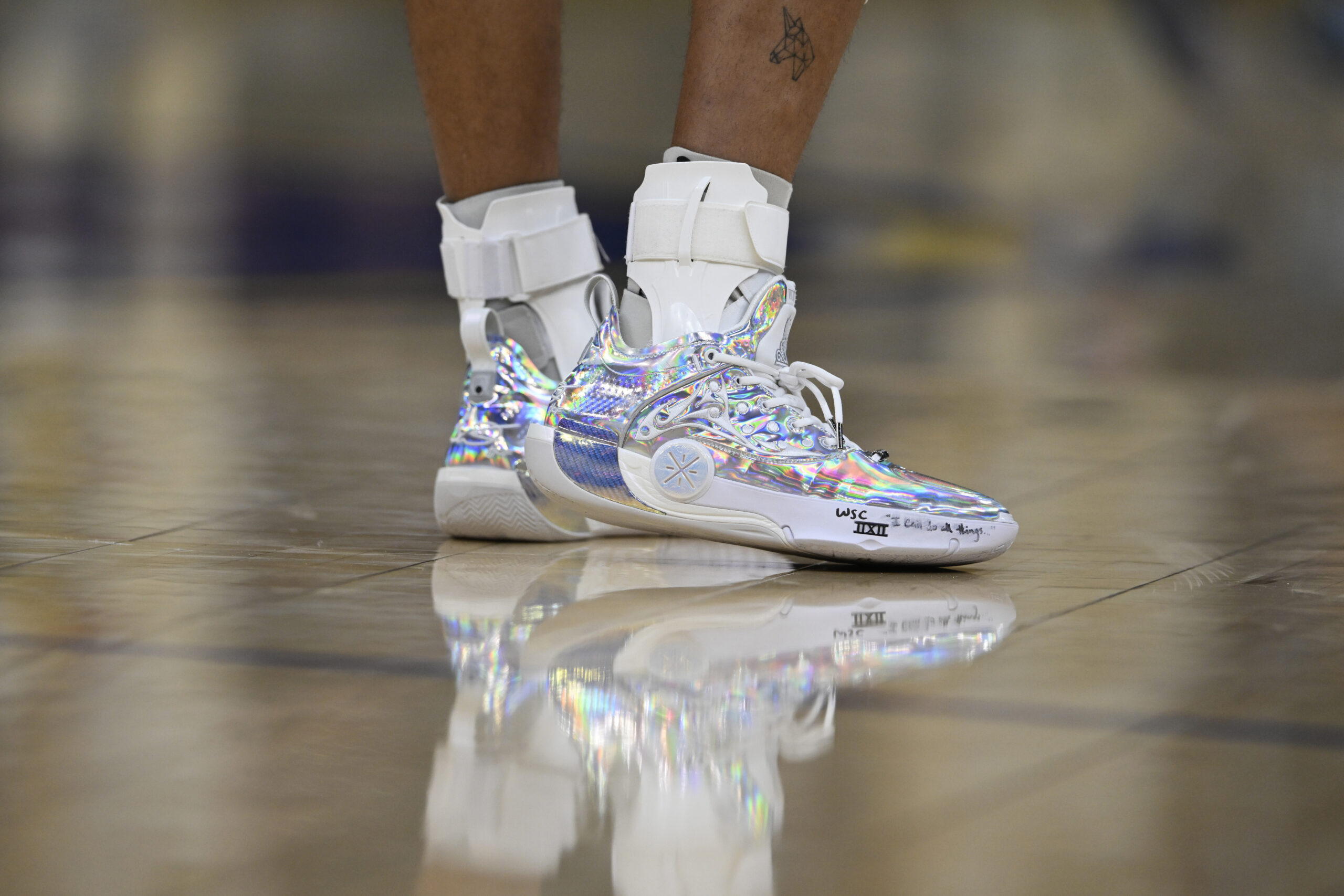
He chose Li-Ning.
What Most People Got Wrong
The first wave of coverage treated this like a strange move. A Chinese brand. A foreign company. An American superstar is going overseas for a shoe deal. That framing missed the point entirely.
Curry didn’t go to Li-Ning because American companies didn’t call. They called. He had his pick of Nike, Adidas, New Balance, and every other major brand you’d expect to pursue a four-time NBA champion and the greatest shooter the game has ever seen. He chose Li-Ning because they offered something nobody else could.
Not just a check. A platform. A global infrastructure. The ability to take Curry Brand into markets that Under Armour was never going to reach, with the creative control to build something that compounds over time rather than depreciates the moment he stops playing. That is a different calculation than most athletes make. And it is the right one.
The Company He Chose
Li-Ning is not a startup trying to buy credibility with a famous name. It was founded in 1990 by Li Ning himself, a Chinese gymnast who won six medals at the 1984 Los Angeles Olympics and then built a sportswear empire in his own country. Today the company does $4.3 billion in annual revenue, more than Puma globally, and is a household name worn by hundreds of millions of people who never needed a Western co-sign to believe in the product.
The number that tells the whole story is 98. As in, 98% of that revenue comes from China alone. Every store, every product line, every partnership, almost all of it lives within the borders of one country.
That is not a weakness. That is the setup.
Li-Ning has built one of the most profitable sportswear companies in the world with almost no presence in the United States. The infrastructure is there. The manufacturing and design capability is proven. The financial runway is real. What they have been missing is a credible entry point into the American market. Curry is that entry point.
He has visited China seven times, and each trip drew the kind of frenzied crowds most American celebrities never experience anywhere. He is already famous there. His move to Li-Ning is not an athlete lending his name to a brand his fans do not know. It is a brand his fans already love gaining access to the athlete they have been following for a decade. Both sides get what they could not build alone.
The Roster He Is Joining
Curry did not arrive at Li-Ning cold. He walked into a program that already had two of the most recognizable names in basketball.
Jimmy Butler, his current Warriors teammate, has an established signature line with the brand. Dwyane Wade has built a Wade brand within Li-Ning that operates with genuine creative independence. And it was actually testing both of their shoes during his free agency period that convinced Curry to commit. Not a pitch deck. Not a financial projection. He put them on his feet, played in them, and understood that Li-Ning could deliver on the performance standards Curry Brand demands.
That detail matters more than it might seem. This is not a business arrangement that starts with a marketing plan and figures out the product later. It starts with a player who tested the merchandise and believed in it.
What Is Actually in the Deal
Ten years. The full Curry Brand extended globally. Basketball, athleisure, a complete golf line, and the ability to sign both male and female athletes under the Curry Brand umbrella.
That last piece is the one most people are sleeping on. Li-Ning is not just signing Stephen Curry the basketball player. They are signing Stephen Curry the brand builder. The deal gives him the infrastructure to build a roster of his own, to become the platform that other athletes plug into rather than the talent plugging into someone else’s machine. That is a fundamentally different role than anything he has had before.
The Market He Is Walking Into
Nike does $51 billion in annual revenue. Adidas does $23 billion. Under Armour sits at $5.7 billion. Li-Ning at $4.3 billion is not small. But a company that profitable, operating almost entirely inside one country, with the manufacturing scale and brand equity to compete globally, is sitting on a distribution problem, not a product problem.
Curry is the distribution solution. If Li-Ning captures even 3% of the US athletic footwear market, a market worth over $22 billion annually, the financial picture changes dramatically. And they are not starting from zero. They are starting with the most beloved ambassador in basketball, someone who already has a massive fan base in China and a credibility profile no other athlete could replicate as efficiently.
What This Means for Every Athlete Watching
This deal is going to be studied for years. Not because it is unprecedented, but because of what it reveals about how the smartest athletes are thinking about their commercial futures.
Curry did not take the largest check. He took the best structure. He optimized for ownership, creative control, global reach, and the ability to build something that outlives his playing career rather than depending on it. He is 38, heading into his 18th season, and he just made the most forward-thinking commercial decision of his professional life.
At Under Armour, he was the most valuable asset in their basketball division. At Li-Ning, he is the architect of their American expansion. That is not a semantic difference. It is a fundamental shift in who holds the leverage in the relationship.
He walked away from being a product and walked toward being a builder.
“This is bigger than a shoe deal,” Curry said when the announcement dropped. “This is a partnership of a lifetime.”
He is right. And the athletes paying attention already know it.


Leave a comment