





Sha’Carri Richardson Isn’t Just Running the Race. She’s Running the League
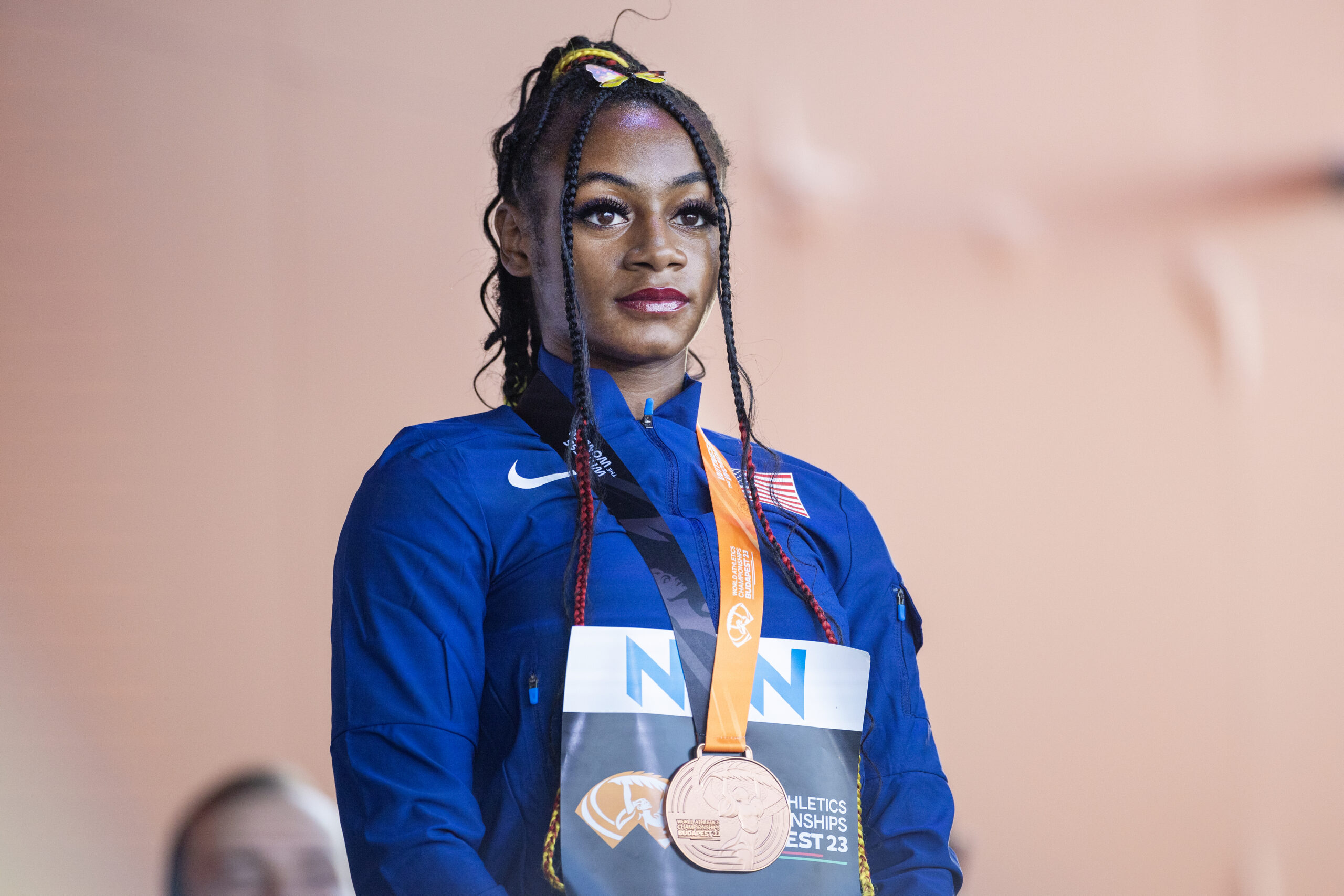
Track and field has always asked its athletes to show up, compete, and move on. The sport produces some of the most recognizable faces in the world every four years — household names built in the span of ten seconds — and then sends them back to a circuit that offers inconsistent prize money, limited visibility, and almost no ownership over the product they are building.
Sha’Carri Richardson has a different arrangement now.
Earlier this year, Richardson was announced as a founding adviser-owner of Athlos — a new women’s-only team-based track and field league debuting this fall after the World Athletics season concludes. She joins Gabby Thomas and Tara Davis-Woodhall as the three athletes who will hold equity in the league from its launch. They are not brand ambassadors. They are not honorary figures. They own a piece of what they helped build.
What Athlos Actually Is
Athlos started as a women’s-only track meet — a single event held at Icahn Stadium in New York in 2024, founded by Alexis Ohanian. It drew 3 million viewers. The prize purse was the largest ever offered at a women’s-only track and field event. Thirty-five athletes competed. The reception confirmed what Ohanian had believed when he built it: the demand for elite women’s track was real and underserved, and the right format could unlock it.
The 2026 edition is the full evolution. Athlos is transitioning from a standalone meet to a team-based, season-long league — multiple meets in major cities, a championship event at the end of the season, and an ownership structure that places the athletes it was built around at the center of decisions.
Richardson, Thomas, and Davis-Woodhall are not just the faces of that structure. They are the architects of it alongside Ohanian. Their feedback shapes how the league is built, how it is presented, and what it prioritizes. Tara Davis-Woodhall described the role plainly: “That means our voice is being heard, our opinions matter, and how we think matters.”
Sha’Carri Richardson is the most recognizable name in American track and field. Her personality, her style, and her willingness to be fully herself in a sport that has historically asked athletes to be smaller than they are made her a cultural figure before she became a world champion. The world title confirmed what the attention had already suggested — she is the standard-bearer of her sport.
Ohanian made that framing explicit in his announcement: “Gabby, Sha’Carri, and Tara represent a new generation of athletes who have put this sport on their shoulders and deserve to be compensated for being the standard-bearers.”
That phrase matters. Compensated for being the standard-bearers. Not rewarded for winning. Compensated for what they have already done to build the sport’s visibility and cultural value — work that generates revenue for broadcasters, sponsors, and governing bodies that flows mostly in one direction. Richardson put her own motivation in simple terms:
“I take pride in doing what is right for people. Joining Athlos as an adviser-owner gives me the opportunity to create something that genuinely empowers people both on and off the track.”
The Structure That Makes This Different
The Athlos ownership model is worth examining beyond the announcement. Richardson and her co-owners are not receiving token stakes or honorary titles. They are founding adviser-owners with equity — meaning when the league generates commercial value, they participate in that upside.
That structure is exactly what the CHAMP Fund is built around in the consumer brand space, what Steph Curry’s Thirty Ink represents in the sneaker world, and what Breanna Stewart and Napheesa Collier built with Unrivaled in the WNBA offseason. The common thread is athletes who understand that their name, their performance, and their presence generate value — and who have decided to own a portion of that value rather than simply be paid to show up.
Track and field is one of the sports where the gap between athlete value and athlete compensation has historically been widest. Richardson’s platform is large enough to move the sport’s commercial needle. By taking equity in Athlos rather than an appearance fee, she is betting that the league will grow — and that her ownership position will be worth more than any single contract could offer.
What the League Is Building Toward
Athlos is debuting into a track and field landscape that is more competitive than it has ever been. Michael Johnson’s Grand Slam Track launched in 2025 with a similar multi-city format. The World Athletics Diamond League continues. The traditional college-to-Olympic pipeline remains the dominant path for most athletes.
What Athlos is offering that no other format does is athlete ownership at the founding level. Richardson, Thomas, and Davis-Woodhall are not joining a league that someone else built. They are building it alongside the people who control the capital. The decisions about how meets are structured, how athletes are compensated, how the league presents itself culturally — all of those conversations happen with three of the sport’s biggest names in the room.
Davis-Woodhall said it herself: “Us three have so much power and so much voice involved in track and field that we are going to change it — more sponsors, more track meets, more visibility, just to be seen.”
The league debuts this fall. The ownership is already in place. For Richardson, the race is not the only thing she is running.





Leave a comment