




The World Cup Is Coming Home. And American Athletes Have Been Waiting for This
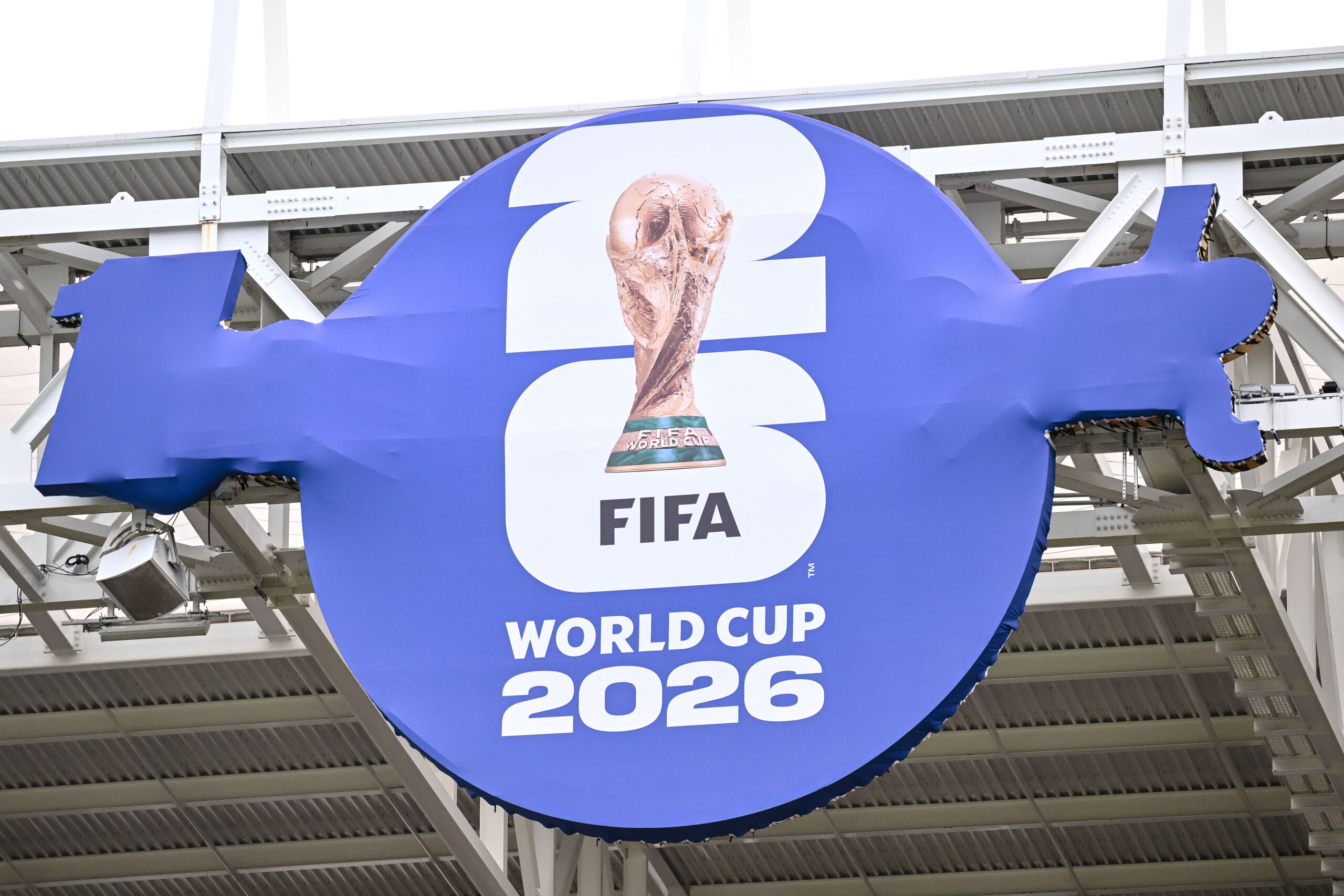
June 11. That is when it starts.
The FIFA World Cup kicks off on US soil for the first time in 32 years. Forty-eight nations. One hundred and four matches. Sixteen cities across the US, Canada, and Mexico. The final is on July 19 at MetLife Stadium in New Jersey. This is the biggest sporting event on the planet, and it is happening right here.
American athletes have known this was coming. A lot of them have been quietly getting ready for it.
They Were Already Soccer Fans
People act surprised when NBA players talk about soccer. They shouldn’t be.
LeBron James flew to Brazil in 2014 to watch the World Cup final in person. He owns a piece of Liverpool FC. He hugged Messi courtside when the Argentine made his Inter Miami debut and posted about it like a fan who couldn’t believe he was actually there because he was.
Giannis Antetokounmpo put it plainly. “Soccer players are way more famous than NBA players. Way, way, way more famous.” Damian Lillard is obsessed. Jimmy Butler. Luka Doncic. Victor Wembanyama. The list goes on. These are some of the best basketball players alive and they follow the sport with the same energy their own fans bring to them.
This is not new. It is just finally getting the spotlight it deserves.
The Culture Was Already Moving That Way
The World Cup does not just bring soccer. It brings everything around it.
Fashion. Music. Food. Language. Identity. When the world shows up to your city for 39 days, your city changes. Atlanta. Miami. Los Angeles. Dallas. Houston. Philadelphia. New York. These are not just host cities. These are the cultural capitals of American sports. And for six weeks this summer, they belong to the world.
Fan festivals are already being planned. The Los Angeles Memorial Coliseum is being transformed into a global celebration with Snoop Dogg leading as community chairman. Hundreds of thousands of fans from every corner of the world will flood streets that American athletes call home. The crossover between sports culture and music culture and street culture that athletes live every day is about to get a global megaphone.
Athletes Are Moving Their Money Into Soccer
LeBron has Liverpool. Drake is tied to Toronto FC. Ryan Reynolds turned Wrexham into a global brand. Jay-Z has been circling football for years. Bad Bunny is dropping soccer-inspired collections with Adidas. Travis Scott is building campaigns around FIFA imagery and Texas storytelling.
This is what athlete ownership looks like when it crosses borders. Soccer has always been the most popular sport in the world. American athletes are finally claiming their seat at that table.
And with the World Cup landing on US soil, that seat just became a lot more valuable.
What It Means for the Cities Hosting It
Eleven US cities are about to become international stages. Dallas hosts the most matches of any city in the tournament. Philadelphia hosts a match on July 4, the country’s 250th birthday. Miami, Los Angeles, Seattle, Boston, Atlanta, Houston, Kansas City, San Francisco, and New York round out the list.
Every single one of those cities has athletes with deep roots in them. Athletes who grew up there. Athletes who invest there. Athletes who give back there. The World Cup is not just coming to America. It is coming to their neighborhoods. Their communities. The streets they came from.
That is the story most media will miss. PlayersTV will not.
This Is Bigger Than the Sport
Soccer has never needed to prove itself to the rest of the world. It already had billions of fans before an American ever cared. But something is shifting here at home. Projections show US soccer fandom could hit over 150 million people by the end of 2026. A 48% jump from where it stands now.
That is not just people watching games. That is a generation of young athletes in places like Compton, the South Side of Chicago, and East Atlanta growing up with new role models. Players from countries that look like them. Stories that sound like theirs.
The World Cup comes and goes in 44 days. What it leaves behind lasts a lot longer than that



Leave a comment