





Pau Gasol Is Betting Big on Women’s Soccer. Here’s What He’s Actually Building
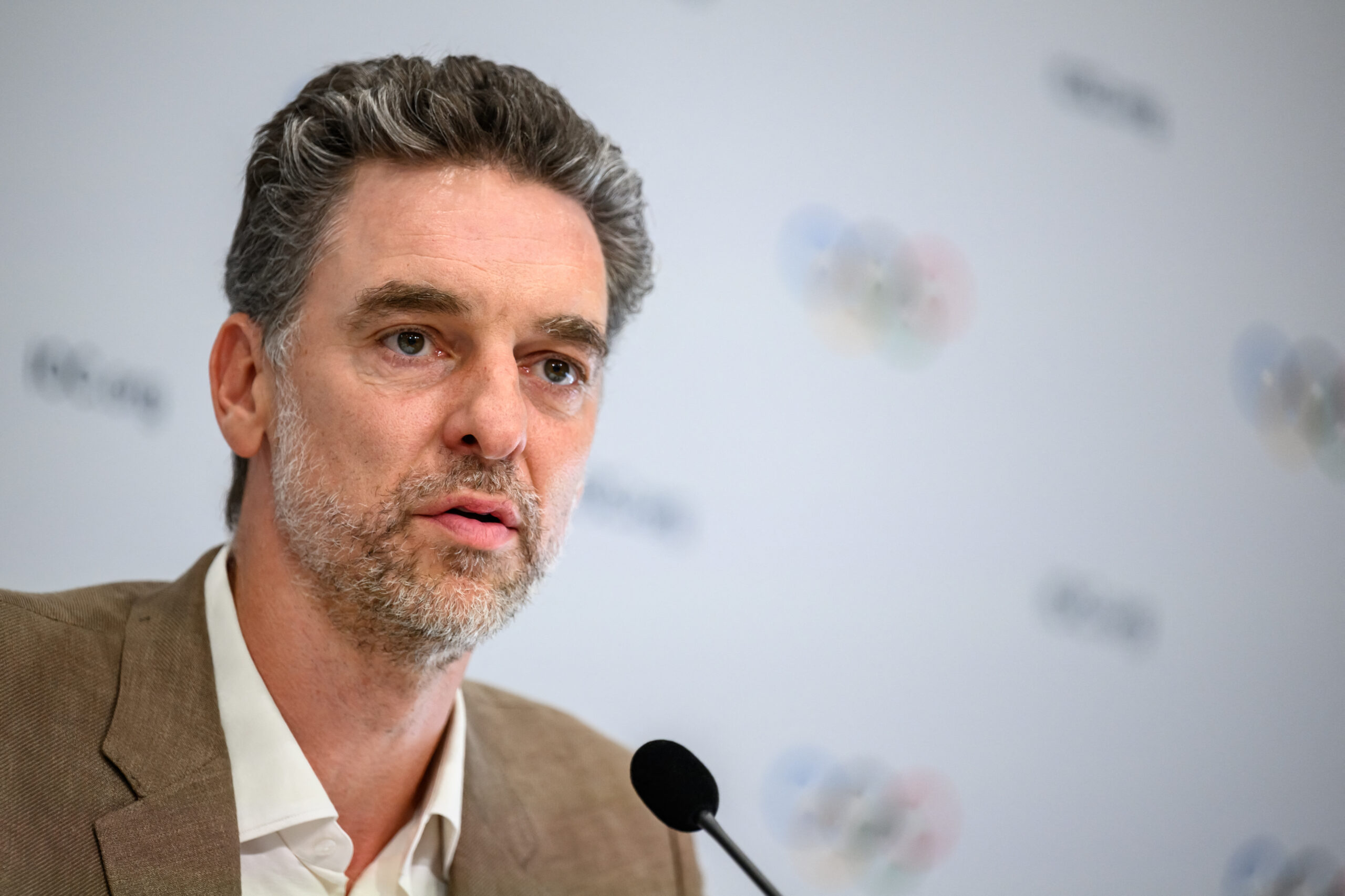
Pau Gasol retired from professional basketball in 2021. Since then, he has served as president of the IOC Athletes’ Commission, expanded his foundation’s work in health and education, and maintained one of the most respected post-playing reputations in the sport. He has also been watching women’s soccer closely.
In June, he made his move.
Gasol, through his firm Gasol16 Ventures alongside investment partner Fortified Partners, submitted the largest private investment proposal in the history of any women’s soccer league. The target was Liga F — Spain’s top-tier women’s soccer competition. The offer was €55 million. After some clubs voted against it, the deal was eventually sealed. Liga F accepted.
What Gasol is building here is worth understanding on its own terms.
The Structure of the Deal
This is not a club investment. Gasol is not buying a stake in Real Madrid or Barcelona or any individual team. He is investing in Liga F itself — the league’s commercial infrastructure, its operational capacity, and its long-term growth potential.
In exchange for the €55 million, Gasol16 Ventures and Fortified Partners will receive between 35% and 49% of the league’s future commercial revenues through 2051. That is a long runway. It is also a significant commitment — one that aligns Gasol’s financial interests directly with the health and growth of the league as a whole rather than any single club.
The stated plan covers four areas: improving Liga F’s commercial operations, increasing international visibility, building a sustainable business model, and increasing the value of players as the league’s central asset. That last point matters for PTV. The explicit framing of players as the league’s core asset — not a cost to be managed but a value to be grown — is the same philosophy that drives the athlete ownership conversation in every other sport.
Why Gasol
Gasol is not a passive figure in this space. His foundation has been active in health and education programming across Spain and the United States for years. His IOC Athletes’ Commission presidency has given him a specific vantage point on how sport governance works and where it often falls short. He is not coming to women’s soccer as an outside investor looking for a return. He is coming as someone who has spent years inside elite sport and believes the women’s game is undervalued in a way that is both wrong and correctable.
He has also been deliberate about the framing. The investment is structured around league-wide benefit rather than concentrated advantage. Every club in Liga F stands to gain from a stronger commercial strategy, more broadcast exposure, and increased international presence. Smaller clubs — the ones that typically get squeezed when big money enters a league — have the most to gain from a rising commercial tide if the structure holds.
What It Means for Women’s Sport
The conversation around investment in women’s sport has gotten complicated in recent years. Michele Kang’s multi-club ownership model in women’s soccer has raised legitimate questions about player movement, coaching decisions, and competitive independence. Those questions are not resolved simply because the intent is good.
Gasol’s approach is different in structure. League-level investment distributes the benefit and the accountability more broadly than club-level ownership does. The risks are different too — commercial pressure over time, potential influence over competition formats, and the long tail of a deal that runs to 2051.
But the underlying principle — that women’s sport has been systematically undervalued and that serious capital can accelerate what talent has already proven possible — is one Gasol has articulated clearly. He is not the first athlete to invest in women’s sport. He may be doing it at the largest scale of any individual athlete in soccer history.
The outcome will take years to measure. But the direction of the bet is clear. Gasol looked at Liga F, saw a league operating below its potential, and put €55 million behind the idea that the gap between what it is and what it could be is closeable.
That is how athlete ownership of the future of sport actually works.




Leave a comment